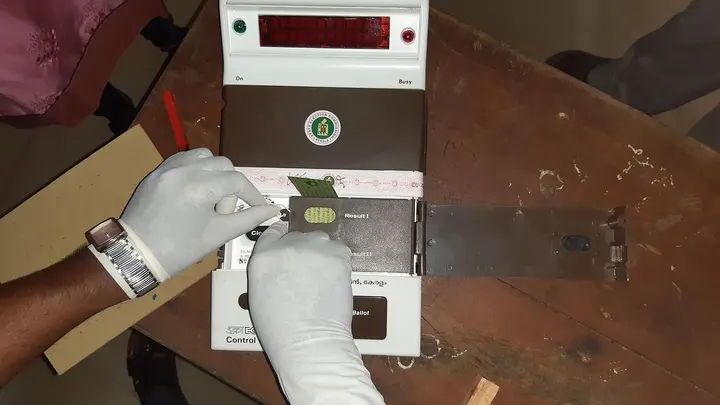
Your data, your right: what the data protection law changes for ordinary people
We tap 'I agree' when installing apps, but agree to what? The 2023 law puts new duties on companies.
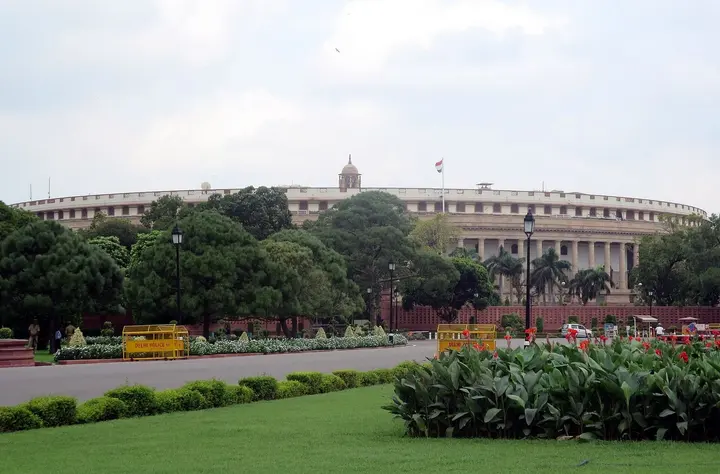
Phone number, Aadhaar, bank details, where you went and what you bought: information about us is as valuable as gold. In August 2023 Parliament passed the Digital Personal Data Protection Act, which sets how companies and public bodies may use it.
The main points
A company must tell you plainly what it collects and why before collecting it, and you can ask for that notice in any language of the Constitution's Eighth Schedule, Gujarati included. You can withdraw consent, and data must be erased once its purpose is served.
Children's data needs a parent's consent. Breaches must be reported. Penalties go up to ₹250 crore, and a Data Protection Board will hear complaints.
Criticism and questions
Debate continues. The government gets broad exemptions on grounds such as national security, and a change to the Right to Information Act worries journalists and activists. Much depends on the rules and how independent the Board is.
The practical point: if an app asks for your contacts, photos or location without need, say no. The law gives rights, but citizens have to use them.