The New Generation of Electric Vehicles: The 'High-Voltage' Revolution Between BMW and Korean Companies
How will sixth-generation battery technology increase the range and power of electric cars? An in-depth understanding of the new agreements with Samsung and LG.
In the era of electric vehicles (EVs), the battery is not merely a spare part, but the very heart of the vehicle. As the world moves away from fossil fuels, vehicle manufacturers are on a quest for more efficient, powerful, and long-lasting batteries. Recently, German luxury carmaker the BMW Group has entered into major agreements with two South Korean tech giants, Samsung SDI and LG Energy Solution, for its sixth-generation high-voltage batteries. This agreement is not just a commercial deal, but a signal of major upcoming transformations in future vehicle technology. It is fascinating to understand how this new technology works and what it means for ordinary consumers.
According to a report by the Korea Herald, Samsung SDI will supply battery cells for BMW's plants in Europe, while LG Energy Solution will handle the responsibilities for plants located in America. Both companies are expected to begin delivering these cutting-edge cells in the late 2020s. This strategy by BMW is known as 'local for local', which means that batteries and other core components should be produced in the immediate vicinity of the region where the vehicle is manufactured. This strengthens the supply chain and also reduces transportation costs.

The Science Inside the Battery: Electrochemical Cells
To understand the functioning of any battery, we must comprehend the fundamental principles of the electrochemical cell. According to Wikipedia data, an electrochemical cell is a device that generates electrical energy from chemical reactions or uses electrical energy to drive chemical reactions. These cells are primarily of two types: galvanic cells and electrolytic cells. Galvanic cells convert chemical energy into electricity, whereas in electrolytic cells, chemical changes are brought about by supplying electricity from an external source.
Every cell consists of two half-cells, in which oxidation and reduction reactions take place separately. This process involves two electrodes named the anode and the cathode. When we use a battery, electrons are released at the anode and flow through an external circuit toward the cathode, thereby generating an electric current. Systems such as an electrolyte and a salt bridge are used during this process to balance the flow of ions.
| Location | Country |
|---|---|
| Irlbach-Strasskirchen | Germany |
| Debrecen | Hungary |
| Shenyang | China |
| Woodruff, South Carolina | United States |
| San Luis Potosi | Mexico |
High-Voltage Batteries and Lithium-Ion Technology
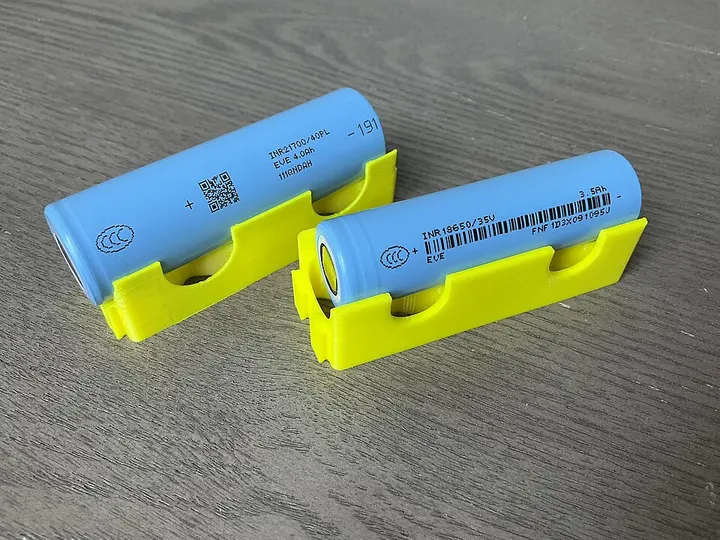
At present, lithium-ion batteries are most commonly used in electric vehicles. These batteries fall under the category of 'secondary cells', meaning they are rechargeable. When the battery discharges, it acts as a galvanic cell, and when it is charged, it behaves as an electrolytic cell. Generally, the capacity of a cell containing a water-based electrolyte is limited to 2.5 volts, because water begins to decompose at higher voltages. However, voltages of 3 volts or more can be achieved in lithium cells by using other solvents.
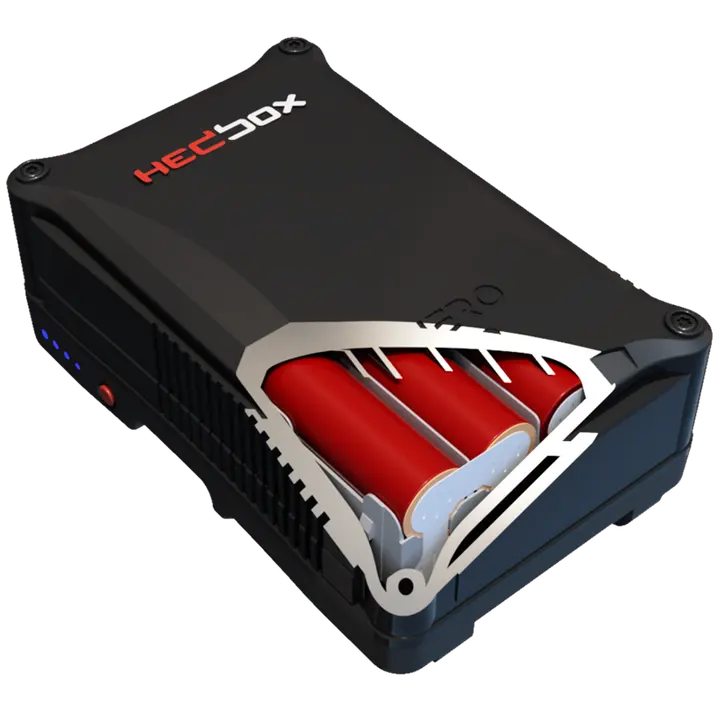
BMW's sixth-generation batteries fall into the 'high-voltage' category. This means these batteries have a higher energy density, giving the vehicle the ability to cover a greater distance on a single charge. These battery cells are arranged into modules and then assembled into the entire battery pack. BMW has established five new high-voltage battery assembly plants in Germany, Hungary, China, the US, and Mexico for this purpose. The cells will be delivered to these plants, and from there the finished battery packs will be fitted into the vehicles.
- Discharging (Galvanic mode)Chemical energy in the battery is released and electrons flow from anode to cathode, which powers the vehicle.
- Charging (Electrolytic mode)Electricity is supplied from outside, which reverses the chemical reaction and stores energy.
- Ion balanceIons move from one side to the other through the electrolyte to maintain charge balance inside the cell.
Samsung SDI: The Journey from Vacuum Tubes to Solid-State Batteries
The history of Samsung SDI is quite fascinating. Founded in 1970 as Samsung-NEC, the company initially manufactured vacuum tubes. Over time, it progressed into the fields of cathode ray tubes (CRTs) and LCDs. In 1998, the company developed cylindrical lithium-ion batteries, which form the foundation of today's EV industry. According to 2022 data, Samsung SDI ranks sixth globally with a 5% market share. The company is not only working on conventional batteries but also on solid-state batteries, which are considered the technology of the future.
In solid-state batteries, a solid material is used instead of a liquid electrolyte, making them safer and capable of storing more energy. Samsung SDI launched a pilot line for solid-state batteries in Suwon, South Korea, in 2023. When this technology becomes commercially available, it could revolutionize the world of electric vehicles. However, the company has also faced environmental challenges in countries like Hungary, where controversies arose regarding the levels of hazardous substances in the plant.
Manufacturing and Global Network
According to BMW's strategy, battery production must be located near the vehicle manufacturing site. Samsung SDI has plants in Hungary, China, and Malaysia, and is now expanding into America as well. On the other hand, LG Energy Solution also possesses a large global network. Due to the competition among these companies, a reduction in battery prices and an increase in efficiency are being observed. BMW has also partnered with China's CATL and EVE Energy for supply in Europe, which shows that the company does not want to depend on any single supplier.

What does this mean for the general public and India?
Although these agreements are currently focused on Europe and America, their impact will be felt globally. When major companies like BMW adopt new technology, its prices gradually come down and it is seen in other ordinary cars as well. In countries like India, where the EV market is growing rapidly, such high-voltage batteries can be helpful in overcoming range anxiety. Furthermore, strategies like 'local for local' are aligned with India's 'Make in India' campaign, which could promote battery cell manufacturing in India in the future as well.
There are still many challenges in high-voltage battery technology, such as the availability of raw materials and recycling. Mining minerals like lithium and cobalt is challenging for the environment. That is why scientists are now also researching batteries that use fewer rare minerals. These sixth-generation batteries are expected to improve not just power, but also standards of sustainability and safety.