Deepinder Goyal's ₹85,000 'Temple' Device: Brain Monitoring or Just Facial Blood Flow?
This new wearable gadget introduced by the Zomato founder claims to measure brain health, but a major controversy has erupted in the medical community regarding its underlying science.

In the Indian technology world, a new device is currently being discussed with great fervor, and its name is 'Temple'. This is not a religious site, but a state-of-the-art wearable gadget prepared by 'Eternal', the new company of Zomato co-founder Deepinder Goyal. The price of this device has been set at ₹85,000, which can be said to be quite high for the average consumer. This device claims to track brain activity and blood circulation, which has brought it to the center of both science and controversy.
In appearance, the Temple device is small and oval, resembling a kidney bean. It is attached to the side of the head, what we call the temple, with the help of a special type of adhesive grips. According to the company, this device uses optical sensing technology. This technology measures the blood circulation happening beneath the skin with the help of light rays. Based on this data, it claims to provide information about the cerebral blood flow inside the brain.
| Detail | Information |
|---|---|
| Price | ₹85,000 |
| Technology | Optical Sensing |
| Main Metric | Entropy - Scale of 1 to 250 |
| Location | Temple - via adhesive grips |
| Category | Fitness and Wellness Wearable |
The most important and controversial aspect of this device is the metrics measured by it. Temple primarily provides a figure named 'entropy', which is between 1 and 250. In the language of science, entropy means disorder, but here the company claims that it is a measure of how hard the body is working to release its heat. When the body is in a state of rest, this entropy should be low, which is called 'Resting Entropy'. If this figure is low, it means your body is healthy and there is less burden on various systems.
As stated on the company's portal, this entropy includes several factors such as the digestive system, immune system, cognitive capacity, and emotional state. When a person exercises and heart rate increases, the entropy figure rises. The maximum entropy that the body can tolerate is called 'Entropy Max'. A number named 'Span' is generated from the combination of these two figures, which shows the user the overall efficiency of their body.
- PlacementThe device is attached to the side of the temple using special grips.
- Data CollectionOptical sensors capture signals of blood flow and hemodynamics.
- Entropy CalculationThe entropy figure is determined based on how hard the body works to release heat.
- Span ReportBased on resting entropy and max entropy, a 'Span' score of the body's overall state is given.
However, medical experts have raised strong objections against these claims. Dr. Cyriac Abby Philips, a renowned Kerala-based hepatologist known on social media as 'TheLiverDoc', has branded the device a major 'scam' or fraud. His argument is that the sensor placed on the temple can only measure blood flowing through the superficial facial arteries, not the blood flow inside the brain. According to science, the blood beneath the facial skin and the blood inside the brain are regulated by entirely different blood vessels.
Responding to these criticisms, Deepinder Goyal stated that Temple is not a medical device, but rather a fitness and wellness tracker. He clarified that the device falls outside the purview of doctors and does not require clinical validation. According to Goyal, he has spent 30 million dollars (approximately over ₹250 crore) on this project, of which 20 million dollars (approximately ₹188 crore) are his own personal funds. He claimed that had this been a scam, he would not have put such a massive amount and 20 years of reputation at stake.
$ Million
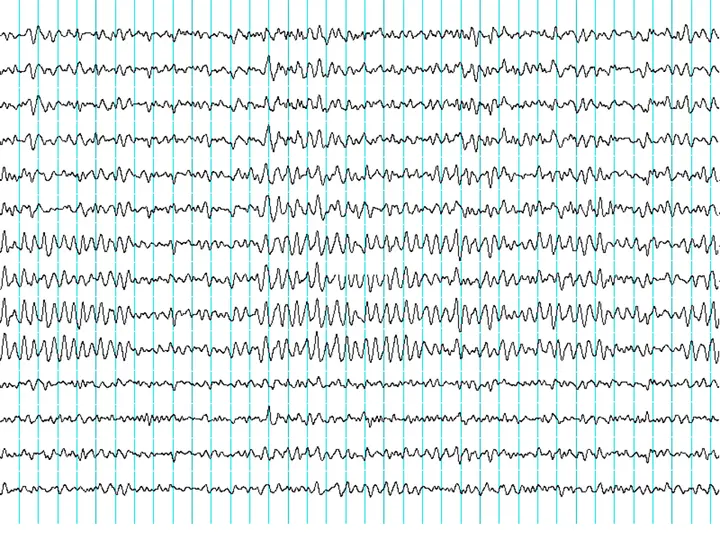
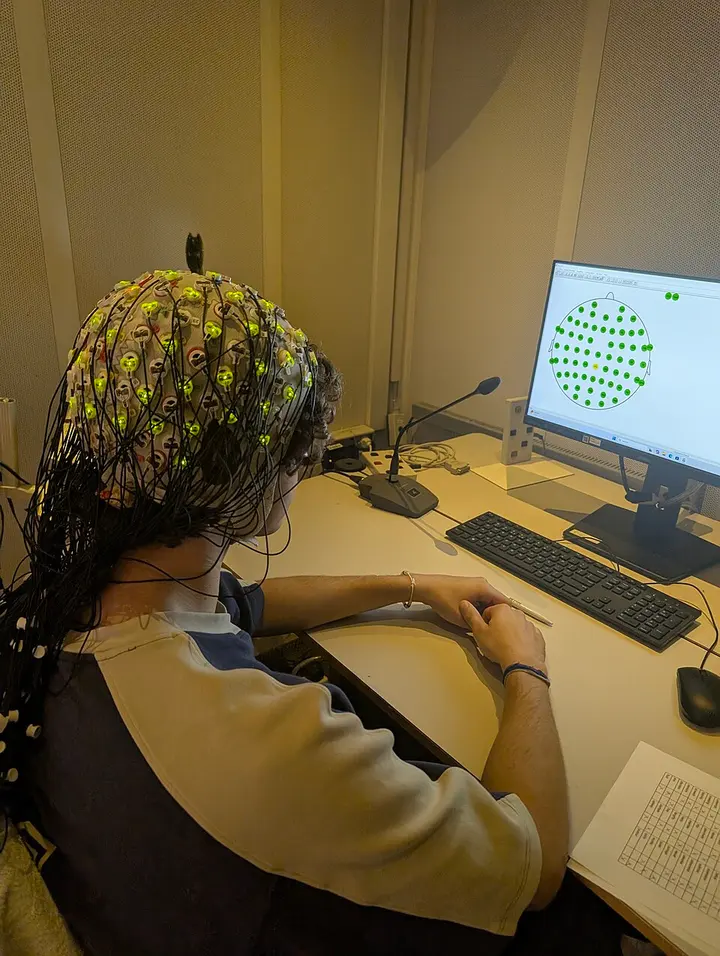
Historically, electroencephalography (EEG) technology has been used for decades to measure brain activity. A scientist named Hans Berger first recorded the electrical activity of the human brain using EEG in 1924. This technology involves attaching multiple electrodes to the head to capture brain waves. The Temple device differs from this traditional EEG because, instead of electrical waves, it uses optical sensing, which is a light-based method.
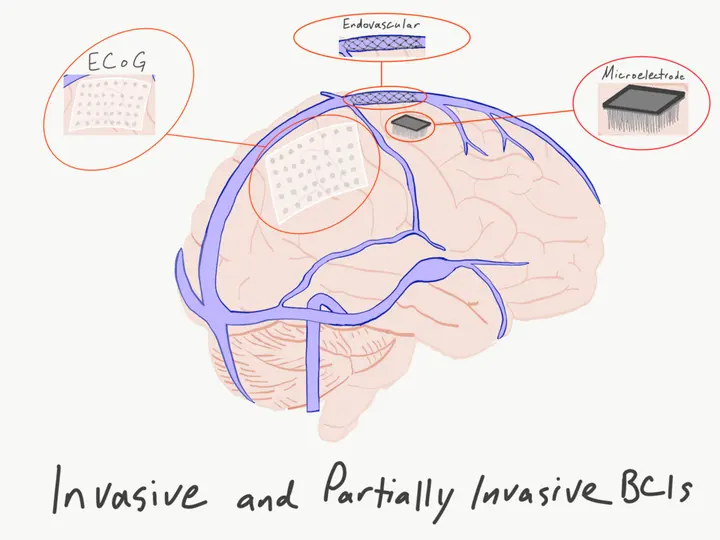
Large-scale research is currently underway globally in the field of brain-computer interfaces (BCIs). Companies like Elon Musk's 'Neuralink' are working on implanting chips directly into the brain (invasive BCI), whereas products like Temple adopt a non-invasive method. In the non-invasive method, signals are captured externally without cutting the skin. However, the challenge is that obtaining precise brain signals from outside the skull bone is extremely difficult, and it often gets mixed with a lot of 'noise', meaning unnecessary data.
Giving the example of the famous fitness band named 'Whoop', Goyal said that even when it was launched in 2015, questions were raised about it, but today it is accepted worldwide. He also added that some of the most revolutionary features of Temple have not been announced yet. The company has also given customers a 14-day 'no-questions-asked' return policy, which means that if anyone does not like this product, they can return it within 14 days. Through this step, Goyal wants to prove that he has complete confidence in his product.
What does this technology mean for common people? If Temple's claims prove to be true, it can provide a person with real-time information about their mental stress, fatigue, and brain efficiency. For example, if your entropy remains consistently high, it could mean that your body is fighting some invisible stress or illness. But given the price of ₹85,000 and the lack of scientific evidence, this currently feels like an expensive experiment for the average Indian consumer.
In conclusion, Temple is a bold step by the Indian startup ecosystem, jumping straight into the global market of bio-hacking and wellness technology. What the truth is in this battle between science and business will only be known when this device is on the heads of thousands of people and independent scientific studies are conducted on its data. Until then, it will remain a mix of promising technology and controversial claims.