Cyberattacks on Industrial Refrigeration and Cold Chain Pose Severe Temperature Risks
Cyberattacks on internet-connected controllers in global supermarkets and pharmaceutical storage facilities have increased. US FBI and defense agencies have issued strict warnings to enhance online system security.
What is the incident and why is it so serious?
Cold chain systems used worldwide to preserve food, pharmaceuticals, and fresh produce have now become targets for cybercriminals. The United States Federal Bureau of Investigation (FBI) and other government regulatory agencies have recently issued a serious warning regarding cyber-attacks targeting industrial coolers and refrigerators.
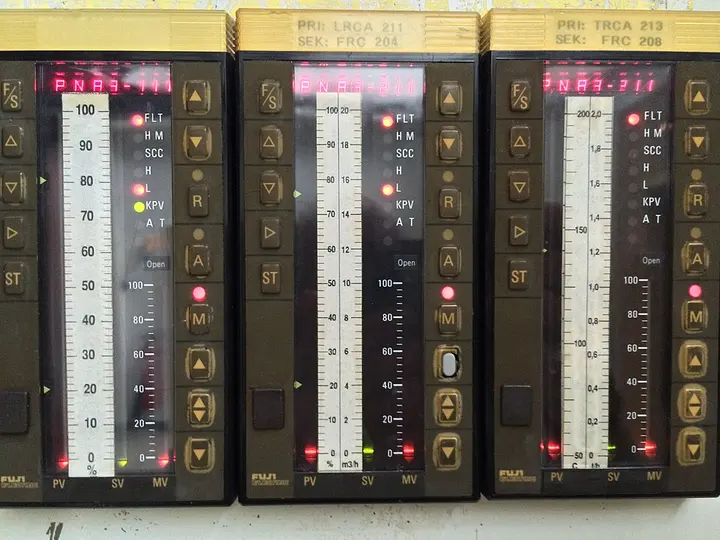
Hackers are specifically exploiting vulnerabilities in industrial refrigeration controllers—digital devices that regulate the temperature of a fridge or cooler—that are unpatched or directly connected to the internet. By gaining control of these systems, hackers can make dangerous changes to temperatures or initiate unauthorized defrost cycles, which can spoil billions of rupees worth of goods and also create a risk of fire.

Technical process of hacking and control systems
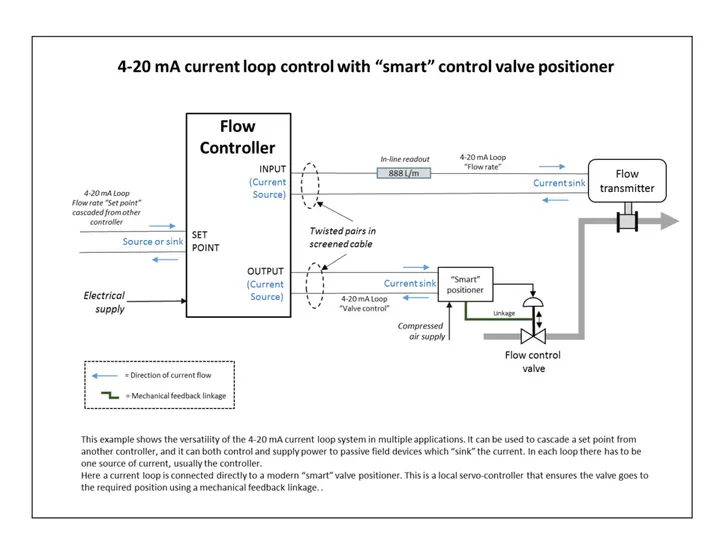
Modern cold storage and supermarkets use digital systems such as Programmable Logic Controllers (PLC) and smart valve positioners to manage temperature. When these industrial control systems are connected to the internet without proper firewall or password security, external hackers can infiltrate the network.
Once access to the system is obtained, cybercriminals tamper with the refrigeration unit's sensors and temperature settings. By suddenly increasing the temperature or shutting off the cooling, stored food and medicines spoil in an instant. Furthermore, keeping defrost heaters running continuously can cause wiring to overheat, potentially leading to fire accidents.
- Discovery of unsecured controllerHackers discover unpatched refrigeration controllers directly connected to the internet.
- Illicit takeover of the systemGain access to the controller system by exploiting weak passwords or software flaws.
- Modification of temperature settingsBringing temperature to dangerous levels by turning off cooling or starting defrost cycle.
- Material damage and riskSpoilage of food and vaccines or risk of short circuit and fire due to overheating.
European incident and statistical temperature parameters
This warning is not a theoretical possibility but has become a real crisis. Due to a cyber-attack on European supermarket franchises in October 2026, refrigerator temperatures suddenly rose to 50 degrees Celsius (50 °C). This incident caused massive losses due to the spoilage of large quantities of food items and the melting of ice, requiring the materials to be discarded. The perpetrators behind this attack have not yet been identified.
Precise temperature maintenance is absolutely essential for medicines and vaccines. Generally, a temperature of 2 to 8 °C is required for the pharmaceutical cold chain. However, certain specific vaccines require extremely low temperatures; for instance, a frozen chain requires -20 °C, and ultra-low or deep-freeze storage requires -70 °C. If hackers make even a slight change to these temperatures, the vaccines become inactive.
| Category / Cold chain type | Required temperature (°C) | Examples and useful materials |
|---|---|---|
| Ultra-low / Deep freeze | -70 °C | Ebola and Pfizer-BioNTech COVID-19 vaccine |
| Frozen chain | -20 °C | Varicella (chickenpox) and Zoster vaccines |
| Refrigerated chain | 2 to 8 °C | Most flu vaccines and common medicines |
| Fresh agricultural produce | Ambient controlled | Vegetables, sea-food and fresh food items |
History and Importance of the Cold Chain
The history of the cold chain is linked to the Industrial Revolution. The term "cold chain" was first used in 1908, while the first effective cold store was established at St. Katharine Docks in the UK in 1882, which had the capacity to store meat from 59,000 animals. In 1938, Frederick McKinley Jones and Joseph A. Numero invented mobile mechanical refrigeration and founded the Thermo King Corporation, for which the patent was granted on July 12, 1940.
Since the 1950s, the use of this technology became widespread for biological materials and vaccines. During the 2020 COVID-19 pandemic, the need for ultra-cold storage at -70 °C arose for vaccines such as Pfizer-BioNTech and Ebola. At that time, only 25 to 30 countries in the world had such ultra-cold infrastructure available, which demonstrates how sensitive this sector is.

Warnings and Recommendations from US Agencies
On November 5, 2026, key United States government agencies—CISA (Cybersecurity and Infrastructure Security Agency), FBI, HHS (Health and Human Services), USDA (Department of Agriculture), and DOT (Department of Transportation)—jointly issued an advisory regarding this cyber threat.
According to Brett Leatherman, Assistant Director of the FBI's Cyber Division: "Industrial refrigeration and cold-chain monitoring systems protect food, medicine, and other temperature-sensitive products, making them attractive targets for malicious cyber actors. We are seeing these systems targeted across critical infrastructure sectors globally, putting goods and equipment at risk."
In a factsheet released by the FBI, these organizations have been recommended to take immediate steps: de-link control system devices from the public internet, strengthen password security, update software patches regularly, and replace legacy devices that no longer receive security updates.
- D-linking from the internetImmediately isolate industrial control system devices from the public internet.
- Enhancing password securitySet complex and strong passwords for all login access of the system.
- Applying security patchesKeep system software and firmware updated with regular security patches.
- Replacing old devicesReplace legacy devices that do not receive security updates with new secure models.
Impact on India and Ordinary Citizens
Organizations like the FBI (which had a fiscal year 2019 budget of $9.6 billion and a 2021 non-construction budget investment of $9,748,829,000) play an important role in global law enforcement. In India, too, digital supply chains and cold storage networks are expanding rapidly. The cold chain is the backbone for Indian agricultural products, the dairy industry, and pharmaceutical exports.
If such cyberattacks were to occur on Indian cold storage or vaccine depots, it could lead to serious consequences for the country's food security and health sector. Therefore, it has become extremely important for Indian industrial units to conduct cybersecurity audits of their industrial controllers and sensors.