China's New Strategic Weapon for Electric Vehicles: What Is This High-Performance Rare-Earth Rubber?
A specialized synthetic rubber utilizing rare-earth elements has been developed to enhance the strength, durability, and efficiency of electric vehicle tires, potentially triggering a new revolution in the global market.
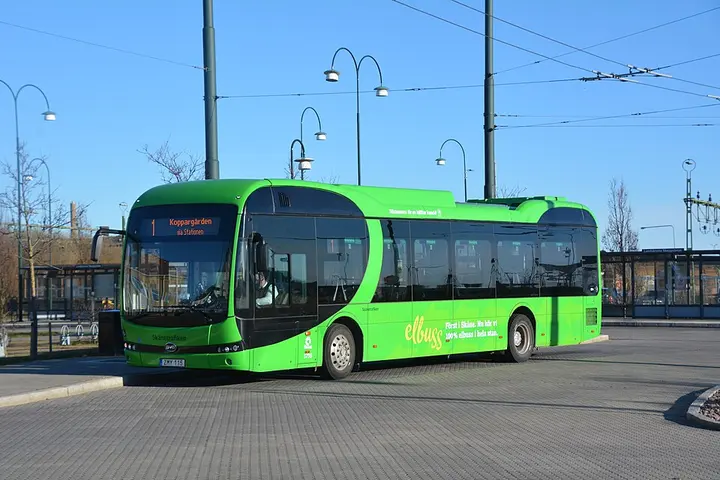
In the electric vehicle (EV) revolution, our focus has so far remained primarily on lithium-ion batteries and powerful motors. However, the most important point of contact between the vehicle and the road—the tire—has now become the new center of technological innovation. China is now set to strengthen its grip on the electric vehicle sector through high-performance rare-earth rubber. According to a report by the South China Morning Post (SCMP), this special type of rubber is now in the commercial testing phase and commands a higher price than traditional synthetic rubber. This rubber will be used specifically for manufacturing tires for electric vehicles and heavy freight trucks.
Synthetic rubber is a man-made elastomer produced from petroleum byproducts. According to Wikipedia data, approximately 32 million tons of rubber are produced globally each year, two-thirds of which is synthetic rubber. Compared to natural rubber, synthetic rubber possesses greater stability against heat and higher resistance to oils and other chemicals. When rare-earth elements are used as catalysts in this synthetic rubber, its quality is enhanced significantly. This process helps in controlling the arrangement of rubber molecules with greater precision.

Rare-earth elements are a group of 17 specific metals, including lanthanides, scandium, and yttrium. According to Wikipedia, these elements are actually abundant in the Earth's crust, but they are not found in pure form. The process of separating them from ore is extremely complex and expensive. China currently controls 90% of the world's rare-earth powder supply. These elements are being used in magnets, lasers, and now in high-performance rubber. When these elements are used during the production of rubber, it makes the rubber more flexible and resistant to wear and tear.
It is necessary to understand why tire quality is important for electric vehicles. Electric vehicles are much heavier than standard petrol-diesel vehicles due to the weight of their batteries. This additional weight puts more pressure on the tires, causing them to wear out faster. Furthermore, electric motors provide instant torque, which generates more friction between the tires and the road. Rare-earth rubber is capable of addressing these challenges. It reduces the rolling resistance of the tires, thereby increasing the range of the vehicle.
- Selection of monomerRaw materials like isoprene or butadiene obtained from petroleum are selected.
- Addition of rare-earth catalystRare-earth elements like neodymium are added as catalysts to speed up the chemical process.
- PolymerizationA long and organized chain of molecules is created, which gives the rubber special properties.
- Purification and processingThe prepared rubber is purified and converted into a suitable form for making tires.
The history of synthetic rubber is quite old. In 1909, at the Bayer laboratory in Germany, Fritz Hofmann first succeeded in creating synthetic rubber by polymerizing isoprene. Polymerization is a chemical process of joining molecules to form long chains. During the Second World War, when the supply of natural rubber was disrupted, America and Germany brought about a major surge in the production of synthetic rubber. Today, Styrene-Butadiene Rubber (SBR) is the most common synthetic rubber. However, rare-earth rubber is the next step in this evolution, offering better performance at the molecular level.
In the production of rare-earth rubber, elements such as neodymium are used as catalysts. This process is called chain-growth polymerization. In this method, rubber chains grow in a very orderly manner, which makes the internal structure of the rubber stronger. According to Wikipedia, this type of rubber is more resistant to ozone cracking, which refers to cracks appearing in tires due to ozone in the air. This characteristic increases the lifespan of the tire, which is economically beneficial for consumers.
| Characteristic | Natural rubber | General synthetic rubber | Rare-earth rubber |
|---|---|---|---|
| Source | Tree sap (latex) | Petroleum by-products | Petroleum + rare-earth elements |
| Heat resistance | Medium | High | Extremely high |
| Durability | Low | Medium | Very high |
| Main use | General tires | Seals and hose pipes | EV and heavy duty tires |
Mining areas like Bayan Obo in China are the main sources of rare-earth elements. According to a Wikipedia report, between 1985 and 1995, China increased its share in rare-earth production from 21% to 60%, and today it holds a near-monopoly. By leveraging this strategic advantage, China now seeks to establish its dominance in the tire industry as well. According to an SCMP report, Chinese manufacturers are now using this rubber to produce tires that can compete with European and American brands. Although the cost of this rubber is higher than that of ordinary rubber, its efficiency proves beneficial in the long run.
Rare-earth rubber is also important from an environmental perspective. Although the mining of rare-earth elements can be challenging for the environment, the tires made from them improve the energy efficiency of vehicles. When a tire has low rolling resistance, less energy is required to operate the vehicle. In the case of electric vehicles, this means the vehicle will be able to cover a greater distance after a single charge. Furthermore, the thermal stability of this rubber, or its ability to withstand high temperatures, makes it ideal for high-speed driving.
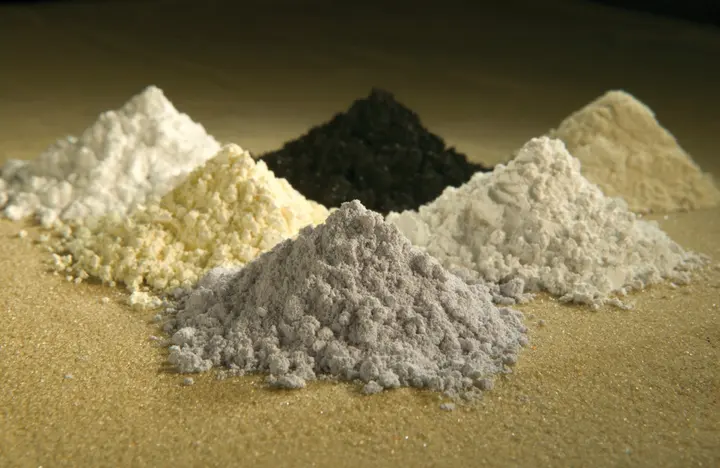
For countries like India, where the electric vehicle market is growing rapidly, this technology is extremely important. India currently relies heavily on imports for its rubber and rare-earth element requirements. If China advances in this technology, it could impact the global supply chain. According to Wikipedia data, the United States and Australia are also now increasing investment in rare-earth production to reduce dependency on China. The U.S. has also announced a ban on the use of Chinese rare-earth elements in its defense equipment starting from 2027.
Various types of rare-earth rubber include butyl rubber, which is used in the inner lining of tires because it prevents air from escaping. Cis-polybutadiene rubber is used to make tire sidewalls to minimize energy loss. Rare-earth technology can improve the quality of all these types of rubber. This new initiative by China is not limited to the tire industry alone, but is part of a larger plan to strengthen its grip on the entire electric vehicle ecosystem.
In the future, we may see tires that have double the lifespan of current tires and help conserve vehicle batteries. However, the pollution caused during the extraction of rare-earth elements is a matter of concern. According to Wikipedia, these elements are often found alongside radioactive substances like thorium and uranium, which makes the mining process hazardous. Therefore, the true victory of this technology will only be considered when its production is also carried out in an environmentally friendly manner. For now, this 'green' rubber from China keeps it one step ahead in the electric vehicle race.

In conclusion, rare-earth rubber is not just a chemical discovery, but a strategic resource. It proves how elements hidden deep within the earth can shape the future of transportation. For electric vehicle owners, this means that in the coming time, they will get tires that are safer, more durable, and more efficient. In this new era of technology, the country that possesses rare-earth elements and the expertise to utilize them will become the true player in the global market.