IIT Bombay's Revolution: Garden Waste Converted to Cooking Fuel, Cutting LPG Consumption by 60%
The prestigious Mumbai institution has implemented a new and cost-effective method of cooking for 1,200 students by converting dry leaves into eco-friendly pellets.

The Indian Institute of Technology Bombay (IIT Bombay) has achieved a landmark milestone in environmental conservation and energy saving. The institute has launched a project to convert garden waste, specifically dry leaves collected across its vast campus, into cooking fuel instead of disposing of it. The pellets produced under this project, which resemble small wooden pieces, are being used in hostel kitchens as an alternative to LPG (Liquefied Petroleum Gas). According to a report by the Times of India (TOI), this innovative experiment has led to a significant 60% reduction in LPG consumption in the institute's hostels.
This project not only solves the problem of waste disposal but has also proven to be extremely economically beneficial. Currently, meals for approximately 1,200 students at IIT Bombay are prepared using this eco-friendly fuel. This method is based on 'Do-It-Yourself' (DIY) simple technology, which provides an excellent example for local waste management. Generally, garden waste is burned or dumped in landfills, but this technology transforms it into a valuable resource.
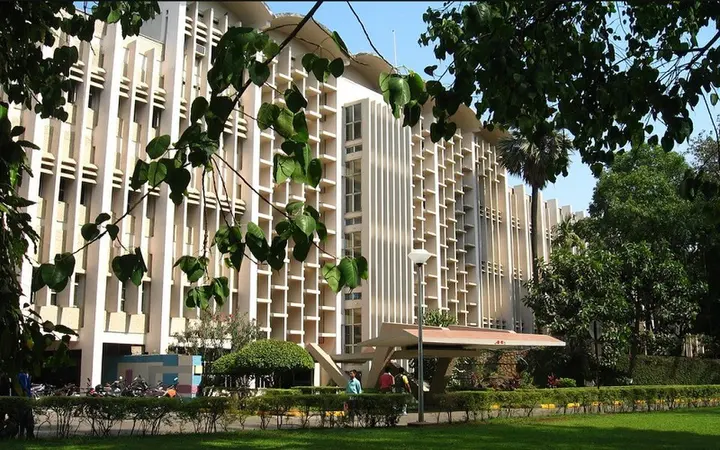

The IIT Bombay campus is spread over a vast area of 545 acres in the Powai region of Mumbai. According to Wikipedia data, this campus is situated between Powai Lake and Vihar Lake and is very close to the Sanjay Gandhi National Park. Due to this geographical location, the campus has abundant greenery and trees. Because of the large number of trees, tons of dry leaves and branch waste are collected daily. Previously, disposing of this waste was a major challenge, but now it has become a primary source of energy.
The process of making valuable fuel from waste
The process of converting garden waste into fuel requires high scientific precision. First, dry leaves and small branches are collected from various parts of the campus. This organic waste is called biomass. Once the waste is collected, it is cut into small pieces by a machine, a process known as shredding. This process reduces the size of the waste and makes it easier to process.
Then, this shredded waste is dried so that the moisture contained within it can be removed. Keeping the moisture content low is essential for maintaining the quality of the fuel. Once the waste is dried, it is fed into a pelletizer machine. This machine applies high pressure to the waste, causing it to turn into small, hard, cylindrical pieces. These pieces are what are called pellets. No harmful chemicals of any kind are used in this process, which makes it completely eco-friendly.
- CollectionDry leaves and garden waste are collected from the 545-acre area of the campus.
- ShreddingWaste is cut into small pieces by a machine to increase its density.
- DryingIt is dried naturally or by machine to remove moisture from the waste.
- PelletizationWaste is converted into small cylindrical pellets under high pressure which are used as fuel.
The special feature of these pellets is that they burn more efficiently than traditional wood. Due to the higher density in the pellets, they can provide heat for a longer period of time and also emit less smoke. At IIT Bombay, a special type of stove or burner is used to utilize these pellets, which makes the combustion of the pellets even more effective. This also saves cooking time and reduces dependence on gas cylinders.
Economic and Environmental Impact
The figures for this project are truly impressive. A 60% reduction in the LPG that was previously used for cooking for 1,200 students is a major saving from an economic perspective. This is a permanent and affordable solution against the rising prices of LPG. In addition, this project also helps in reducing the carbon footprint. When we use fossil fuels such as LPG, it releases carbon that has been buried in the earth for millions of years into the atmosphere. In comparison, biomass pellets are considered carbon neutral because they reuse only the carbon recently absorbed from the atmosphere.

For an institution like IIT Bombay, this is not just an experiment, but a symbol of their commitment to sustainability. According to Wikipedia, established in 1958, this institution is one of India's premier technical institutes, and in 2018 it was granted the status of 'Institution of Eminence'. The institution has about 21 hostels and more than 13,000 students studying there. Cooking for such a large population is a massive task, and utilizing garden waste for it is an example of optimal resource management.
| Feature | Detail |
|---|---|
| Establishment Year | 1958 |
| Total Area | 545 acres |
| Number of Hostels | 21 |
| Number of Students | Over 13,000 |
| Detail | Information |
|---|---|
| Total Area | 545 acres |
| Number of Students | Over 13,000 |
| Number of Hostels | 21 |
| Students eating with pellets | 1,200 |
The scope of this technology is not limited only to the IIT campus. In rural areas of India where wood is used for cooking, this pelletization method can bring a revolution. By converting agricultural waste such as stubble or dry leaves into pellets, rural women can be provided with a smoke-free kitchen. This project by IIT Bombay proves that with the right technology and willpower, we can turn our waste itself into a source of energy.
Future Direction and Challenges
Although this project has been extremely successful, there are also some challenges to implementing it on a large scale. The collection of waste and its sorting is the most important aspect. If plastic or other inorganic substances get mixed into the waste, the quality of the pellets can deteriorate and their combustion can spread pollution. Therefore, at IIT Bombay, emphasis is placed on sorting waste right at the source.
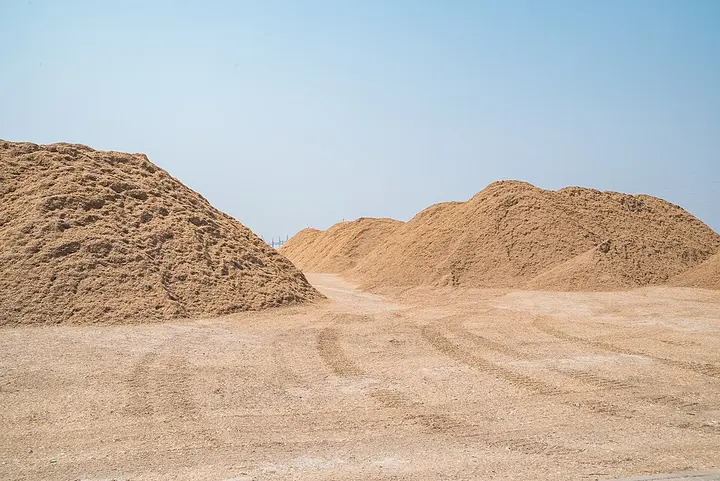
In the future, this technology can be made more advanced. The DIY model currently in use can be made more automated so that less manpower is required. In addition, if the energy used in the pellet-making process is sourced from solar energy, this entire process can become even more eco-friendly. This successful model of IIT Bombay now needs to be adopted in other educational institutions and large residential complexes as well.

In conclusion, this project by IIT Bombay gives true meaning to the 'waste to wealth' concept. It not only reduces the LPG bill, but also helps in keeping the campus clean and protecting the environment. When India is dependent on imported fuel for its energy needs, such local solutions can prove to be extremely important for the country's energy security.