The Convergence of Silicon and DNA: Will Artificial Intelligence Cure New Diseases or Create Biological Weapons?
Artificial Intelligence is bringing an unprecedented revolution to the field of bioscience, but it has also increased the risk of biological weapon creation, generating a global need for new security policies.
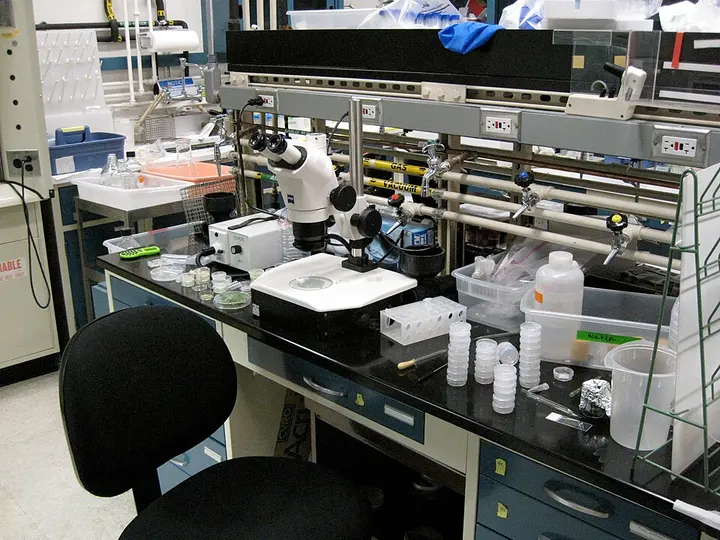
In the history of science and technology, we are currently standing at a juncture where the boundaries between computer code and biology are rapidly blurring. Recently, the United Kingdom became the first country to establish the world's first 'AI Biosecurity Lab,' which is a major step in this direction. The primary objective of this lab is twofold: first, to use AI to understand diseases and accelerate the discovery of new drugs and vaccines; and second, to ensure that AI does not assist anyone in creating a biological weapon. Behind this initiative is 100 million pounds in funding from the British government, while industry giants like OpenAI and Anthropic have pledged up to 200 million pounds. Google DeepMind will also collaborate with this lab to assist in research through its powerful Gemini models.
Biosecurity is a term whose meaning has changed over time. Fundamentally, it refers to measures taken to prevent the spread of harmful organisms such as viruses, bacteria, or invasive plants. New Zealand was very proactive in this regard and passed the 'Biosecurity Act' as early as 1993. Today, this definition also includes preventing bioterrorism and the theft of hazardous materials from laboratories. When we talk about biosafety, it means protecting researchers working in the laboratory and the environment from accidental infection. However, biosecurity is focused on preventing intentional harm, which has become more complex in today's AI era.

Artificial Intelligence (AI) refers to the capability of a computer system to perform tasks that typically require human intelligence, such as learning, reasoning, and problem-solving. After 2012, when Graphics Processing Units (GPUs) began to be used to accelerate neural networks, a major revolution occurred in the field of AI. The transformer architecture technology introduced in 2017 further accelerated this progress. Now, generative AI can create not only text or images but also complex biological data such as protein structures and genomic sequencing. This capability is a boon for scientists, but at the same time, it can also prove to be dangerous.
Key areas for the application of AI in bioscience include protein folding and metabolic pathway mapping. Protein folding is the process of understanding the complex three-dimensional shape of a protein, which is essential for developing new drugs. In August, researchers from Stanford University and the Arc Institute announced that they had created a fully functional genome for the first time with the help of generative AI. For this, they used genome language models named 'Evo 1' and 'Evo 2'. These models created 16 bacteriophages—viruses that kill bacteria—which successfully destroyed E. coli bacteria. This success demonstrates that AI can now rewrite the fundamental blueprint of living organisms.
£ મિલિયન
However, a major fear is associated with this progress: can a non-expert create biological weapons with the help of AI? Researchers from Oxford and UC Berkeley noted in a paper that large language models (LLMs) are performing increasingly well in the field of biology. However, it is not yet clear whether these models can provide more assistance to an average person than the information available on the internet. The research organization RAND warns that no single security shield is sufficient. They have recommended a multi-layered security framework, which includes restrictions on data access, screening of hazardous materials, and detection of misuse. RAND director Sela Nevo says that we do not know how quickly AI capabilities will grow, but the security framework must be built now.
AI's contribution to drug research has been remarkable. According to the company Anthropic, AI is now helping to make cancer treatment (CAR T-cell therapy) more effective and to isolate allergy-inducing molecules from the body. OpenAI has introduced a model named 'GPT-Rosalind', which recently analyzed data from 8 million mouse brain cells in just 32 minutes in an experiment. This task would typically take scientists months to perform. This research could be very helpful in finding cures for diseases like Alzheimer's and Parkinson's. Google DeepMind has also developed 'ProtNLM' (Protein Natural Language Model), which can read the 'grammar' of the evolution of protein amino acid sequences, making it easier to discover new antibiotics.
- Data analysisAI model identifies disease targets by studying millions of proteins and genomic sequences.
- Design of new structureGenerative AI designs new molecules or protein binders with specific properties.
- Simulation and testingThe structure is tested on how it will work on the computer itself, which saves laboratory time.
- Physical constructionSuccessful design is given a real form in the laboratory through synthetic DNA technology.
However, if these same powerful models fall into the wrong hands, they could assist in the creation of toxins or new viruses. Anthropic's 'Claude Fable 5' model has outperformed even experts in complex biological tasks. The company has acknowledged that it has blocked several attempts at misuse, including queries related to the research of biological weapons. To address this risk, Google DeepMind has introduced a new system called 'SynthID Bio'. This is a form of watermarking that embeds an identification mark directly into protein sequences. This will make it possible to identify whether a protein is natural or was created in a laboratory by AI. Traditional screening methods can only identify known dangerous viruses, but they cannot detect new threats created by AI.
| AI model | Benchmark / Capability | Result / Note |
|---|---|---|
| GPT-5.5 | GeneBench (Genetics) | Significant generational progress |
| Mythos | BioMysteryBench | 30% complex problems solved |
| Claude Fable 5 | Expert-level tasks | 85% reduction in wrong blocks |
| GPT-Rosalind | Data analysis speed | Analysis of 8 million cells in 32 minutes |
According to a report by the global security organization NTI (Nuclear Threat Initiative), OpenAI's GPT-5.5 model is making a significant leap in complex genetics tests. Similarly, Anthropic's 'Mythos' model has solved 30% of bioinformatics problems that human experts could not solve. In this situation, AI companies and scientists have urged the US government to enact legislation requiring mandatory screening and record-keeping for synthetic DNA orders. Industry leaders like Sam Altman and Demis Hassabis have signed this letter. They believe that DNA synthesis machines should verify whether the sequence requested by a customer is part of a dangerous virus.
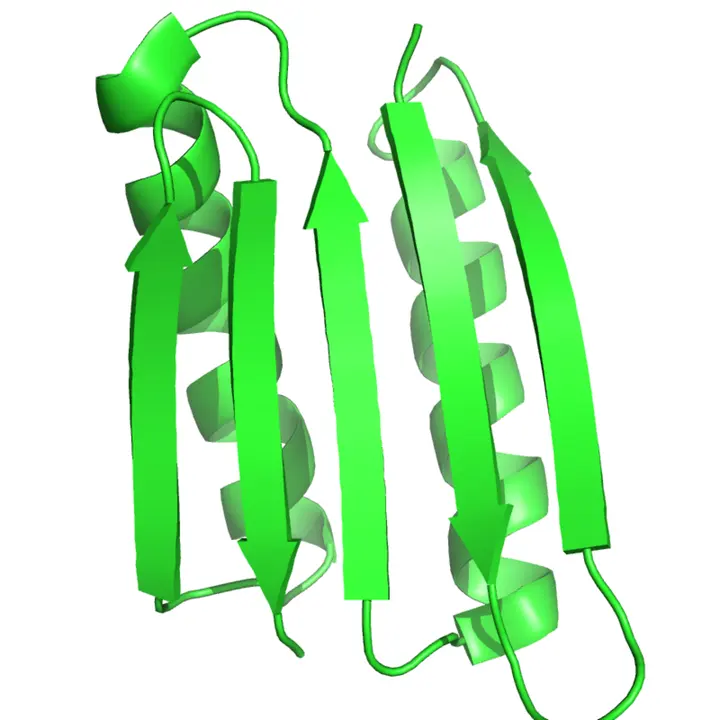
For countries like India, this technology is a double-edged sword. On one hand, the production of affordable medicines and vaccines through AI could prove to be a boon for India's vast population. On the other hand, any lapse in biosecurity could trigger a serious public health crisis. Currently, most countries have regulations for general AI, but there are no strict laws for its specialized use in biology. OpenAI has also announced a $50,000 reward for breaking its biosafety guardrails, so that they can identify the vulnerabilities in their system and improve them.
| Subject | Biosafety | Biosecurity |
|---|---|---|
| Main objective | Prevent accidental infection or spread | Prevent intentional misuse or theft |
| Focus | Protection of researcher and environment | Control over hazardous pathogens |
| Method | Lab protocols and protective equipment | Access control and legal oversight |
Ultimately, the convergence of AI and bioscience has brought a new hope for humanity. We are entering an era where cures for incurable diseases like cancer or Alzheimer's might be found in just a few years. But the price of this progress is vigilance. If we do not establish strict biosecurity rules and technical safety shields, the very technology created to save lives could become a cause of destruction. Governments, scientists, and AI companies must work together to ensure that this scientific revolution remains solely for the welfare of humanity.