A Precise Strike of Sound Waves: The New Revolution of Focused Ultrasound Against Deadly Brain Cancer
Scientists at the University of Virginia have achieved a unique synergy of sound waves and microbubbles to penetrate the blood-brain barrier and deliver micro-RNA.
When a cancerous tumor enters the brain, the most sensitive and complex organ in the human body, subduing it becomes one of the most difficult challenges for modern medical science. Among adults, 'Glioblastoma' is the most common and highly aggressive tumor that originates within the brain. To fight this lethal disease, researchers at the University of Virginia (UVA) Comprehensive Cancer Center have developed a unique experimental method. By utilizing high-intensity sound waves, known as focused ultrasound, along with microbubbles and nanoparticles, they have successfully opened the brain's protective barrier temporarily to deliver anti-cancer genetic particles.
Dr. Roger Abounader, a professor in the Department of Microbiology, Immunology, and Cancer Biology at the UVA School of Medicine, and his team discovered that small genetic molecules called 'microRNA' can simultaneously deactivate multiple genes responsible for the growth and spread of glioblastoma. To deliver these molecules to the brain tumor, they utilized magnetic resonance imaging (MRI)-guided focused ultrasound technology. The results of this study have been published as open access in the prestigious 'Journal of Clinical Investigation' (JCI).
The lethality of glioblastoma and the impenetrable fortress of the blood-brain barrier
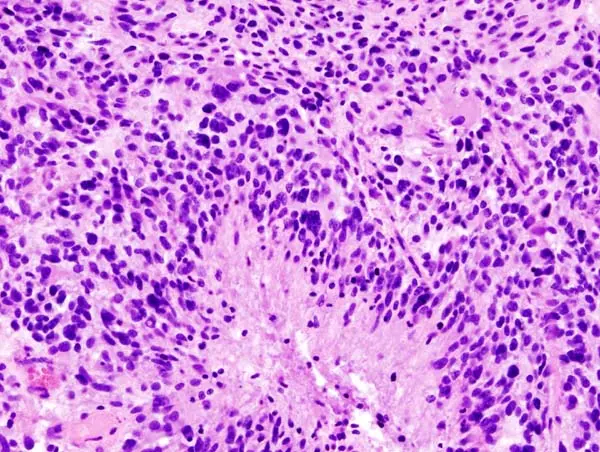
Glioblastoma was previously known in the medical world as 'Glioblastoma Multiforme' (GBM). It accounts for 15% of all brain tumors and is the most prevalent cancer originating within the brain. In the United States, more than 13,000 people die from this single disease every year. Generally, this disease is seen in approximately 3 out of every 100,000 people, and the average age at diagnosis is 64 years. Headaches, nausea and vomiting, seizures, memory loss, and sudden changes in behavior and temperament are its early non-specific symptoms, which often mimic a stroke.
સંખ્યા
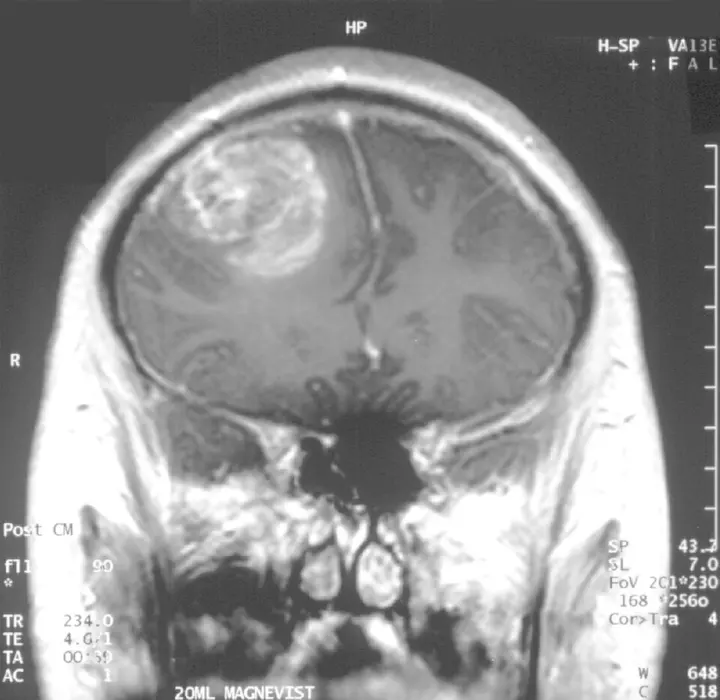
There are two main reasons why this cancer is so dangerous. First, glioblastoma cells rapidly spread by rooting into the surrounding healthy brain tissue, making it nearly impossible for surgeons to completely excise the entire tumor through surgery. The second and greatest obstacle is the brain's natural protective shield—known as the 'blood-brain barrier' (BBB). This security system protects the brain from toxic elements and infections in the blood, but unfortunately, it also prevents most drugs administered to destroy cancer cells from entering the brain.
| Subtype | Main genetic changes | Special features |
|---|---|---|
| Classical | EGFR gene amplification (in 97%), loss of chromosome 10 and gain of 7 | TP53 is usually not mutated; high levels of EGFR are observed |
| Proneural | High rates of mutations in TP53 (p53) and PDGFRA genes | Associated with platelet-derived growth factor receptor alpha |
| Mesenchymal | High frequency of mutations in the NF1 (neurofibromin 1) gene | Low frequency of changes and low expression of the EGFR gene |
According to the World Health Organization (WHO) 2021 classification of central nervous system tumors, only tumors with the 'IDH wild-type' gene are now classified as glioblastoma. Patients with this cancer are treated with chemotherapy called temozolomide and radiation therapy after surgery. Despite this, the cancer almost always recurs even after maximum treatment. Without treatment, a patient may live for only 3 months, while even after aggressive treatment, the median survival remains only 10 to 13 months, and the 5-year survival rate is less than 5% to 10%.
| Treatment status | Average life expectancy |
|---|---|
| Without treatment | 3 months |
| With aggressive treatment | 10 to 13 months |
| Survival rate of more than 5 years | Less than 5% to 10% |
The Magic of Sound Waves: A Magnifying Glass-Like Focused Effect
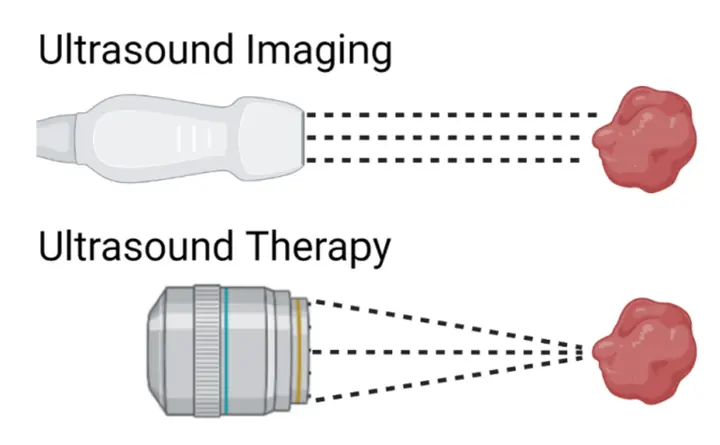
To temporarily open this impenetrable blood-brain barrier, researchers have used high-intensity focused ultrasound (HIFU). While standard diagnostic ultrasound is only for viewing images of internal organs, focused ultrasound concentrates sound waves at a specific point. This process can be understood by the example of focusing sunlight through a magnifying glass onto a small piece of paper; just as nothing around it burns but immense heat is generated at the focal point, in the same way, the ultrasound beam delivers energy to a deep target without damaging the surrounding normal tissue.
In medical use, when tissue is to be destroyed, continuous waves are applied to raise the temperature to 65 to 85 degrees Celsius, causing the cell proteins to coagulate, a process known as coagulative necrosis. If tissue remains at a temperature above 60 degrees Celsius for even 1 second, it is permanently destroyed. However, for brain cancer drug delivery, researchers have chosen a technique involving pulse-based sound waves and 'microbubbles' (tiny gas-filled bubbles).
Microbubbles and Nanoparticles: The Mechanism of Targeted Attack
In this method, ultra-fine microbubbles and specialized nanoparticles carrying micro-RNA are introduced into the patient's bloodstream. When focused ultrasound waves are applied to a specific cancerous area of the brain under MRI guidance, these tiny bubbles in the blood vessels of that area expand and contract due to sound pressure. This process is called stable cavitation.
- 1. Injection of drug and bubblesNanoparticles containing anti-cancer micro-RNA and microscopic microbubbles are introduced into the patient's bloodstream.
- 2. MRI-guided targetingUltrasound waves are focused only on the specific part of the brain by determining the exact location of the tumor through MRI imaging.
- 3. Cavitation and barrier openingMicrobubbles vibrate due to the pressure of sound waves, causing the protective walls of the blood-brain barrier to open momentarily.
- 4. Entry of nanoparticles and genetic controlNanoparticles enter cancer cells through the opened path and release micro-RNA, which inhibits multiple genes that promote tumor growth.
The gentle oscillatory vibrations of these bubbles temporarily loosen the tight junctions between the cells of the blood-brain barrier. Taking advantage of this short-term window, the nanoparticles enter directly from the blood into the brain tissue and cancerous cells. Once inside, the micro-RNA released from the nanoparticles halts the activity of genes responsible for the division and growth of cancer cells.
Conventional cancer drugs typically target a single specific biological process. However, glioblastoma exhibits extraordinary genetic diversity and easily develops resistance to the effects of a single drug. If a combination of multiple conventional drugs is administered to a patient, it causes severe side effects on the body. Furthermore, there are many molecules involved in cancer growth for which no drug has yet been discovered. In contrast, micro-RNA possesses the natural ability to suppress the activity of multiple problematic genes simultaneously. Tests conducted in laboratories and on animal models have shown that this therapy slowed tumor progression and significantly extended the lifespan of the animals.

Future Prospects and the Path to Clinical Trials
UVA Health has long been a leader in the field of ultrasound technology. Recognizing its potential in cancer care, UVA has partnered with the Charlottesville-based Focused Ultrasound Foundation to establish the world's first Focused Ultrasound Immuno-Oncology (FUSION) Center. Research is underway at this center on treatment methods that combine focused ultrasound with cancer immunotherapy. The UVA Comprehensive Cancer Center is one of only 57 centers in the country to have received 'comprehensive' status from the National Cancer Institute (NCI) of the United States.
This project received funding from the National Cancer Institute and the National Institute of Neurological Disorders and Stroke of the National Institutes of Health (NIH). UVA's Paul and Diane Manning Institute of Biotechnology is also building a clinical trials network to bring new drugs to patients more quickly. Although this innovative strategy has been successful at the laboratory and animal testing stage, it will still take some time before extensive clinical trials on humans can be conducted.
If this method achieves the expected success in human trials, it could prove to be a revolutionary medium for delivering drugs not only for glioblastoma but also for Alzheimer's, Parkinson's, and other complex brain diseases. This non-invasive and targeted strike of sound waves could become humanity's greatest weapon against the most aggressive cancers in the future.