Lithium-ion Batteries: The Electric Vehicle Revolution and the Chemistry of Modern Energy
Since 1991, the cost of batteries has fallen tenfold while capacity has tripled. Learn how this 'rocking-chair' technology is transforming the future of the entire world.
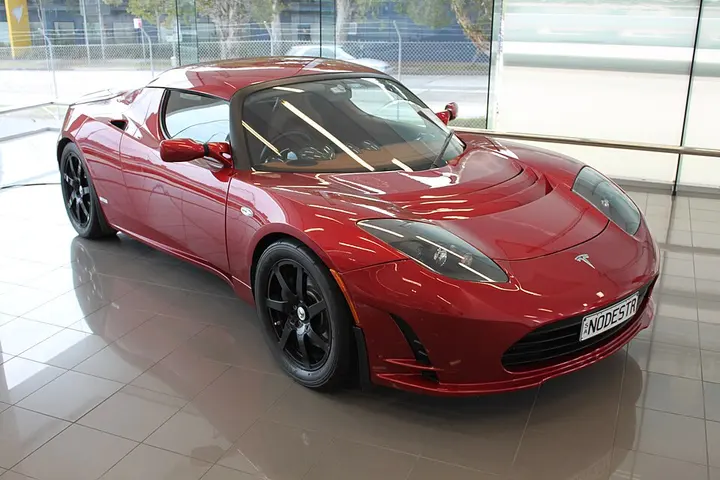
In today's modern era, from smartphones and laptops around us to electric vehicles running on roads, the primary foundation of all technology is the lithium-ion battery. A lithium-ion battery is a type of rechargeable battery that can be charged again. It uses the reversible intercalation of lithium ions in electronically conducting solid materials—meaning the chemical process of ions moving in and out—to store energy.
Ever since the first commercial sale of lithium-ion batteries began in the year 1991, over the three decades leading to the present, their volumetric energy density has increased threefold. During this same period, their manufacturing cost has registered a tenfold decrease. By the end of the year 2024, the annual demand for lithium-ion batteries worldwide has surpassed 1 terawatt-hour, while global manufacturing capacity has reached more than double this demand.
ગણો ફેરફાર
Considering the revolutionary impact of this technology, the 2019 Nobel Prize in Chemistry was awarded to the scientists who made significant contributions to the development of lithium-ion batteries. These batteries have not only made portable consumer electronics possible, but have also brought about a major revolution in grid-scale energy storage for power grids, as well as in the defense and aerospace sectors.
History of Lithium Batteries and Nobel-Winning Discoveries
The history of lithium-ion batteries began in the 1970s, when a scientist named M. Stanley Whittingham introduced the concept of intercalation electrodes. He built the first rechargeable lithium battery based on a titanium disulfide cathode and a lithium-aluminum anode. However, due to safety-related flaws, it could not be commercialized.
Subsequently, in the year 1980, John Goodenough advanced this research and greatly improved battery capacity by using lithium cobalt oxide as the cathode. In the year 1985, Akira Yoshino prepared the first prototype of the modern lithium-ion battery by using a carbonaceous material, namely graphite, as the anode instead of pure lithium metal.
Based on these researches, a joint team from Sony and Asahi Kasei under the leadership of Yoshio Nishi launched the first commercial lithium-ion battery into the market in 1991. These three scientists—Whittingham, Goodenough, and Yoshino—were awarded the 2019 Nobel Prize for giving humanity this revolutionary device.
How Do Batteries Work? The 'Rocking-Chair' Mechanism
A beautiful principle of chemistry operates inside a lithium-ion battery. Inside the battery, there are mainly three parts: the positive electrode, called the cathode; the negative electrode, called the anode; and the liquid between them, known as the electrolyte. In most commercial batteries, graphite is used as the anode, with silicon often mixed in to increase capacity.
- Discharging (energy consumption)As oxidation occurs at the graphite anode, lithium ions are released, pass through the electrolyte toward the cathode, and electrons form an electric current in the external circuit.
- Reaction at the cathodeElectrons coming from the external circuit and lithium ions coming from the electrolyte recombine with the cathode material.
- Charging (energy storage)When electrical energy is supplied from the outside, lithium ions de-intercalate from the cathode and settle back into the graphite layers of the anode.
When the battery is discharging—that is, when it is supplying power to a vehicle or phone—an oxidation process takes place at the negative electrode (anode). This process releases positively charged lithium ions and negatively charged electrons. The lithium ions pass through the battery's internal electrolyte medium to go toward the cathode, while the electrons pass through the external circuit to reach the cathode.
During charging, the external power supply forces electrons to move from the positive electrode to the negative electrode. The lithium ions emerge from the cathode, pass through the electrolyte, and settle back inside the layers of the graphite anode. Because lithium ions move back and forth between the two electrodes like a swing, it is also called a 'rocking-chair battery' in scientific language.
Technical Statistics and Chemical Types
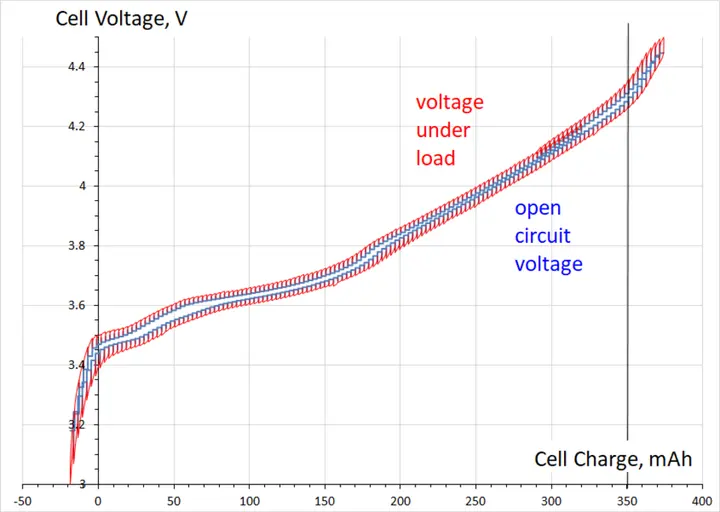
The nominal voltage of a lithium-ion cell is 3.6 V or 3.7 V. From the perspective of chemistry, each gram of lithium holds 13,901 coulombs of charge. At a voltage of 3 volts, this capacity equals 41.7 kilojoules (kJ) per gram of lithium, or 11.6 kilowatt-hours (kWh) per kilogram of lithium. This energy is slightly higher than the energy obtained from the combustion of gasoline, but due to the weight of other materials used in the battery, the entire battery system is heavy.
| Chemistry | Cathode Material | Main Application | Key Feature |
|---|---|---|---|
| LCO | Lithium Cobalt Oxide | Smartphones, Laptops | High Energy Density |
| LFP | Lithium Iron Phosphate | Electric Vehicles, Grid Storage | Long Cycle Life and Higher Safety |
| NMC | Lithium Nickel Manganese Cobalt | Electric Vehicles (EVs) | High Discharge Rate and Balanced Power |
| NCA | Lithium Nickel Cobalt Aluminum | Premium Electric Vehicles | Extremely High Energy Capacity |
Lithium-ion batteries are divided into different categories based on the material used in their cathode. In devices such as smartphones and laptops, lithium cobalt oxide (LiCoO2) is used, which provides high energy density. Meanwhile, for electric vehicles, lithium nickel manganese cobalt oxide (NMC) and lithium nickel cobalt aluminum oxide (NCA) are used.
In recent times, lithium iron phosphate (LiFePO4 or LFP) chemistry has also become very popular. LFP does not use expensive cobalt, so it is considered a cheaper, safer battery that provides a longer lifespan.
Safety Challenges, Environment, and Future Technology
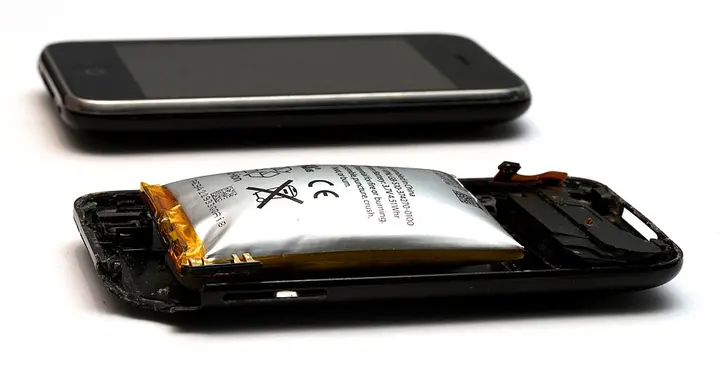
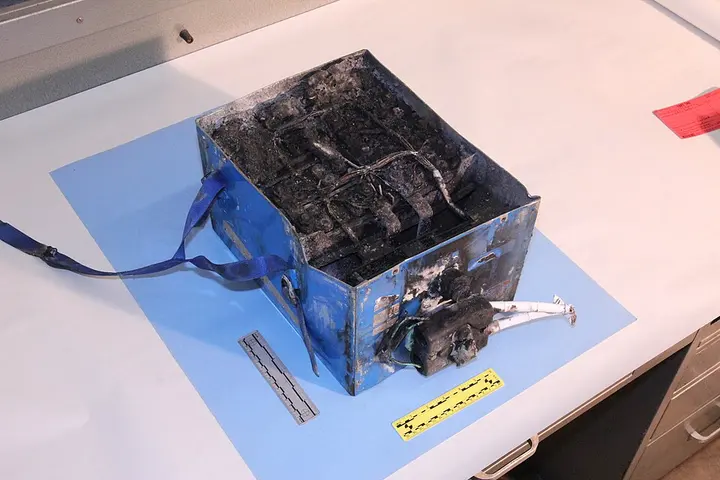
Although lithium-ion batteries are extremely efficient, they have certain safety-related limitations. The liquid electrolyte inside the battery is a mixture of flammable organic carbonates. If the battery is overcharged (such as above 5.2 volts) or if an internal short circuit occurs, a condition of thermal runaway can arise, causing the battery to swell or catch fire through an explosion.
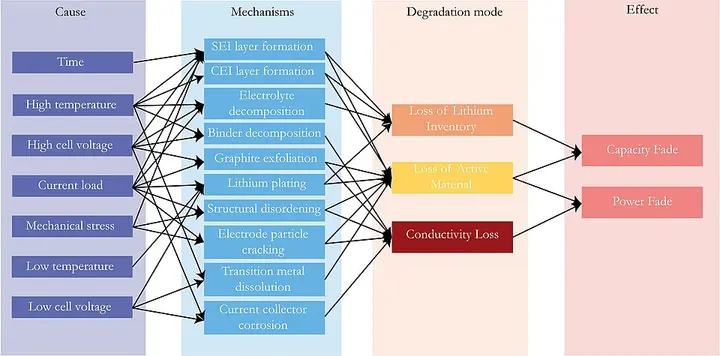
Excessive discharging of the battery forms lithium oxide and cobalt oxide, which causes permanent damage to the battery as it is an irreversible decay. In addition, performance of the battery decreases over time due to continuous usage, charging cycles, and temperature.
From an environmental perspective as well, the mining of lithium and cobalt is a matter of concern. Large amounts of water are consumed in arid regions for lithium extraction. To solve these problems, researchers are now developing solid-state batteries, in which a solid electrolyte will be used instead of flammable liquid. In addition, research is also underway on new chemistries such as sodium-ion and iron-air.