Ultra-Processed Food and Children's Brains: How Packaged Food Alters Brain Structure and Increases Weight
Recent research shows that the 'reward system' becomes more active in the brains of children who consume ultra-processed foods, increasing the risk of obesity in the future.
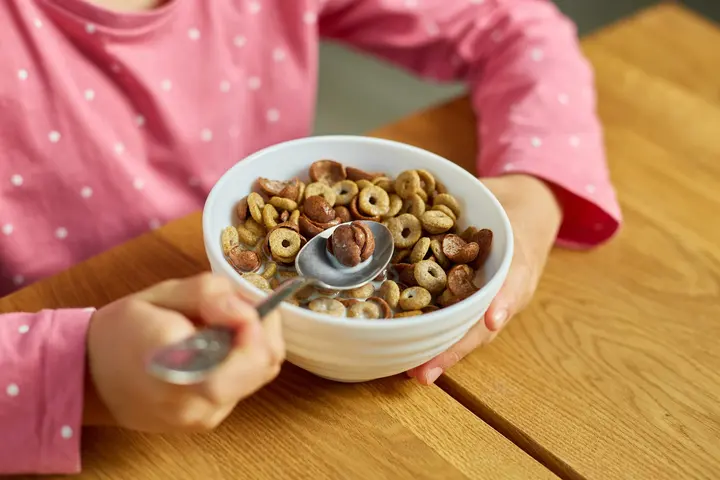
In today's modern era, a major shift has been observed in children's diets. From breakfast cereals to nighttime instant soups, a large portion of children's food has come to depend on packaged foods. In the language of science, this type of food is called ultra-processed foods (UPFs). Researchers at the Keck School of Medicine of USC have published a startling study showing that this food not only increases weight, but also alters a child's brain function.
Ultra-processed foods are products made in factories through complex processes. They typically contain ingredients we do not use in our kitchens, such as artificial sweeteners, colors, and preservatives. These foods are designed to stay fresh for a long time and to be extremely palatable. In America, children get about 67% of their daily calories from such foods, which is a matter of serious concern.
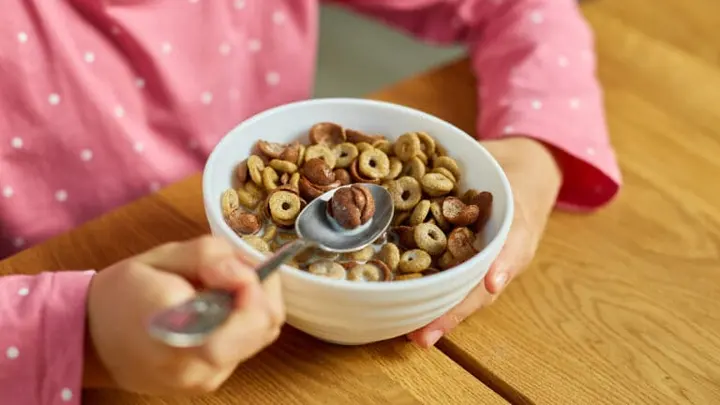
What is ultra-processed food and how is it different?
To understand food, a classification system called 'Nova' is used. According to this method, foods are divided into four groups. The first group includes natural or minimally processed foods, such as fruits, vegetables, and milk. The second group contains ingredients used for cooking, like oils and salt. The third group contains processed foods, such as fresh bread or paneer. The fourth group is of ultra-processed foods, which include soft drinks, packaged snacks, frozen pizzas, and instant noodles.
Ultra-processed foods often lack fiber and protein, which are necessary to create a feeling of fullness. Instead, they contain a mix of sugar, fat, and salt that tempts the brain to eat more. These foods are 'hyperpalatable', meaning they are so delicious that the brain cannot say no to them. This is the exact reason why once a packet of chips is opened, it becomes difficult to stop without finishing it.
- Selection of children46 healthy-weight children aged 7 to 10 years were included in the study.
- MRI scanningChildren's brain responses were measured by showing them pictures of delicious food.
- Diet and health dataInitial measurements of children's dietary details, BMI, and body fat were taken.
- One year follow-upPhysical measurements were taken again after one year to record changes in weight.
Effect on the brain's reward system
Researchers at the Keck School of Medicine studied 46 children aged 7 to 10 years. These children initially had a healthy weight. Using magnetic resonance imaging (MRI) scans, the researchers observed how these children's brains reacted when they were shown photographs of appetizing foods (such as cookies or French fries). MRI is a technique that depicts brain activity pictorially from the inside.
The study found that children who ate more ultra-processed food showed greater activity in a part of the brain called the 'dorsal striatum'. The dorsal striatum is the brain's center associated with reward and motivation. When this region becomes more active, the child experiences a stronger desire for food. This means that ultra-processed food makes the child's brain more sensitive to food cues.
| Food Type | Examples | Characteristics |
|---|---|---|
| Minimally Processed | Fresh fruits, vegetables, eggs, milk | In natural state or with minor modifications. |
| Processed Food | Fresh bread, paneer, canned fruits | Food preserved by adding salt or sugar. |
| Ultra-Processed (UPF) | Soft drinks, chips, instant noodles, cereal | Rich in industrial ingredients and preservatives. |
Weight Gain and Neurobiological Connection
The researchers monitored the health of these children for one year. One year later, the children's body mass index (BMI), body fat percentage, and waist circumference were measured again. The results were clear: children whose brains had a more active dorsal striatum showed a significant increase in weight and body fat a year later. This research has been published in the journal JAMA Network Open.
Interestingly, when the researchers accounted for brain response, the association between UPF intake and weight gain weakened. Specifically, a reduction of about 31% in BMI and 44% in body fat was observed when brain activity was factored in. This means that ultra-processed food does not increase weight directly, but rather induces changes in the brain that drive the child to eat more, resulting in weight gain.
ટકાવારી (%)
Childhood Development and Food Preferences
Dr. Kathleen A. Page, the senior author of the study, notes that children's brains are still in a developmental stage. Habits and food preferences are formed during this period. If the brain becomes overly sensitive to enticing food cues at this age, it can lead to lifelong obesity and other diseases such as type 2 diabetes and heart disease.
These changes occurring in children's brains are not merely a matter of willpower. It is a biological process. When a child repeatedly eats ultra-processed food, their brain begins to recognize that food as a 'high reward'. This initiates a cycle where the child increasingly needs such food, which ultimately harms their health.
Social Responsibility and Future Direction
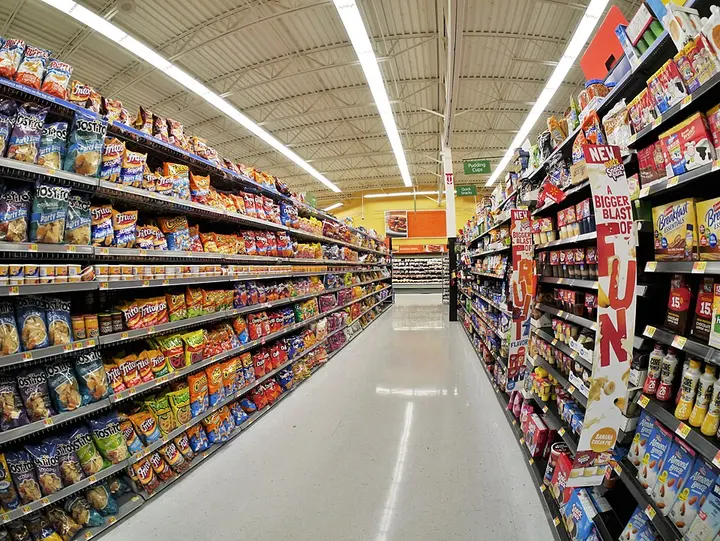
The researchers emphasize that it is not fair to blame only the parents or children for this. Ultra-processed foods are often cheap, easily accessible, and convenient to use. In a busy lifestyle, this food becomes a necessity for many families. Supermarket shelves are filled with such attractive packages, which are specifically designed to appeal to children.
According to Dr. Page, the solution lies not merely in changing individual diets, but in transforming the food environment. It is essential to make healthy and minimally processed foods more accessible and affordable. In the future, researchers want to study children who are given natural foods instead of ultra-processed foods, to see whether these brain responses can be reversed.

What can we do?
Although this study was observational—meaning it does not directly prove that UPFs alone cause changes in the brain—it clearly highlights a strong association between the two. As parents, shifting away from packaged foods toward fresh fruits, nuts, and home-cooked meals can be an important step. Developing the habit of reading food labels is also crucial. If a food product's label contains names you cannot even pronounce, it is likely ultra-processed.
Habits formed in childhood shape the structure of the brain. If we pay attention to children's diets today, we can protect them from serious physical and mental health problems in the future. Science is warning us that food is not merely for filling the stomach; it also drives our brain.