UAE Approves Novel Treatment for Severe Kidney Disease: Science and Mechanism
The United Arab Emirates (UAE) has approved a new drip-based treatment named 'Ultomiris' for patients suffering from 'Immunoglobulin A Nephropathy' (IgAN).

The United Arab Emirates (UAE) has recently achieved a significant milestone in the medical field. The Emirates Drug Establishment (EDE) has approved a new treatment for adults suffering from severe kidney disease. With this approval, the UAE has become the first country in the world to authorize the use of this drug for this specific application. The primary objective of this treatment is to halt the condition that gradually damages kidney function and to improve the quality of life for patients.
This new treatment is based on a drug named 'Ultomiris' (ravulizumab), which has been developed by the pharmaceutical company AstraZeneca. This is a drip-based treatment, meaning it is administered directly into the patient's body intravenously. This drug is specifically for patients suffering from 'primary immunoglobulin A nephropathy' (IgAN). This is an immune system-related kidney disease, which can lead to kidney failure over time.
What is IgA nephropathy and how does it damage the kidneys?
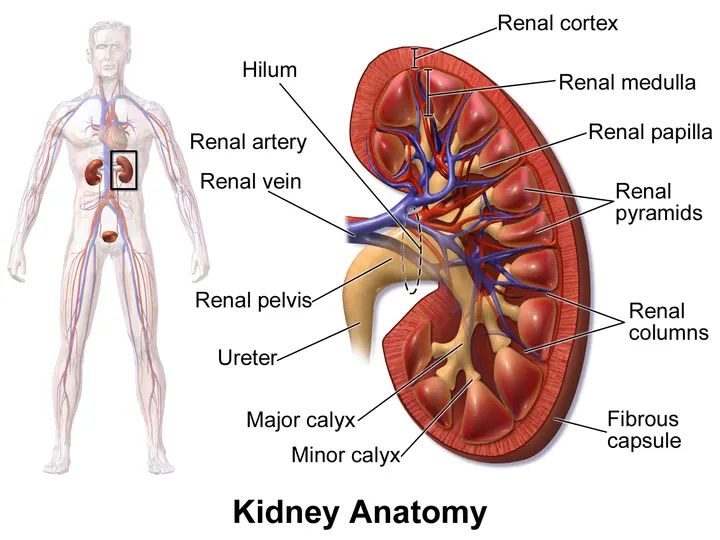
Immunoglobulin A nephropathy (IgAN) is a condition in which the body's immune system mistakenly begins to deposit a protein called immunoglobulin A (IgA) in the kidneys. Normally, IgA is an antibody that helps the body fight infections. However, in this disease, this protein accumulates in the small filtering units of the kidneys, called glomeruli. This accumulation causes inflammation in the kidneys, and over time, the kidney's ability to filter blood decreases.
When the kidney's filters are damaged, they cannot properly perform the task of removing waste from the blood. A key symptom of this damage is the leakage of excess protein in the urine, which is medically termed proteinuria. Generally, healthy kidneys prevent important proteins from passing into the urine. But when the filters are damaged, this protein escapes through the urine, which serves as a warning sign of severe kidney damage.
- Protein accumulationThe body's immune system mistakenly deposits IgA protein in the kidney's filters.
- InflammationDue to the accumulation of this protein, swelling and inflammation occur in the kidney tissues.
- Filter damageLong-term inflammation damages the filtration units of the kidneys.
- Protein leakageDue to damaged filters, vital proteins from the blood start leaking into the urine.
How does Ultomiris work?
Ultomiris is a sophisticated drug that targets a specific part of the body's immune system. According to a report by Gulf News, this drug works by regulating the immune responses responsible for inflammation and damage in the kidneys. When IgA protein accumulates in the kidneys, it activates the body's complement system, which triggers inflammation. Ultomiris interferes with this process, thereby slowing down the damage to kidney cells.
The primary goal of this treatment is to reduce the leakage of protein in the urine. A drop in protein levels is a sign that the pressure on the kidneys is easing and the progression of the disease is slowing down. If proteinuria is not controlled, it can reach the final stages of chronic kidney disease (CKD), where the patient requires dialysis or a kidney transplant.
મૃત્યુની સંખ્યા
The Global Picture of Chronic Kidney Disease (CKD)
According to Wikipedia data, 8-16% of the world's population is affected by chronic kidney disease. An estimated 753 million people suffered from this disease in 2016. Kidney disease often proves to be a 'silent killer' because in the early stages there are no symptoms. It is only when kidney function declines significantly that symptoms like swelling in the legs, fatigue, vomiting, and loss of appetite appear. In 2015, 1.2 million people died due to kidney disease, which is much higher than the figure of 409,000 in 1990.
Diabetes and high blood pressure are among the leading causes of kidney failure. High blood pressure causes 550,000 deaths and diabetes causes 418,000 deaths. In addition, glomerulonephritis, which includes IgAN, is also a major cause of kidney damage. Therefore, new drugs like Ultomiris can prove helpful in reducing these grim statistics.

Methods of Diagnosis and Monitoring
To diagnose kidney disease, doctors rely primarily on blood and urine tests. The estimated glomerular filtration rate (eGFR) is a measure of how well the kidneys are filtering blood. A normal eGFR is above 90. If this figure is low, it indicates poor kidney function. In addition, the urine albumin-to-creatinine ratio (ACR) is measured, which shows the exact amount of protein leakage.
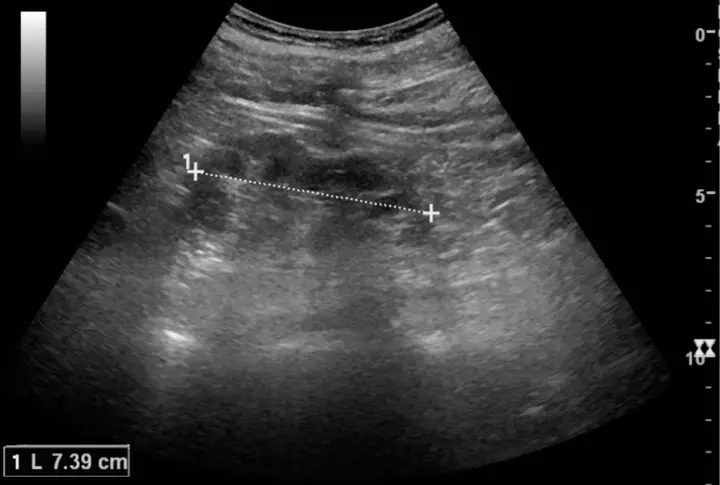
Ultrasound and kidney biopsy are used to understand the precise cause of the disease. Changes in the size and structure of the kidneys can be seen through ultrasound. If there is swelling or scarring in the kidneys, it is clearly visible in the ultrasound image. These tests help determine which treatment will be most effective for the patient.
| Characteristic | Chronic Kidney Disease (CKD) | Acute Kidney Injury (AKI) |
|---|---|---|
| Duration | More than 3 months | Days to weeks |
| Creatinine elevation | Gradual increase | Sudden increase |
| Reversibility | Usually permanent damage | Often reversible |
| Main causes | Diabetes, high blood pressure | Infection, side effects of medication, dehydration |
UAE's Healthcare Vision and Approval Conditions
According to Dr. Ruqaiya Al Bastaki, Acting Executive Director of the Medical Products Regulation Sector at the EDE, this approval is part of the UAE's 'We the UAE 2031' vision. Under this vision, the country aims to become a global leader in the health and pharmaceutical sectors. However, this approval is 'conditional'. This means that the safety and efficacy of the drug will be continuously monitored, and the company will have to submit additional scientific evidence.
This medication is not suitable for every kidney patient. It is intended only for adults who have primary IgA nephropathy and are at high risk of disease progression. Only an expert doctor can determine whether a patient should be given this treatment. Samih Al Fangary, President of AstraZeneca's Gulf Cluster, stated that this approval is an important step towards expanding treatment options for patients.
What does this mean for the general public?
Kidney diseases are often long-term and costly. The availability of new treatments gives patients hope that they can avoid painful procedures like dialysis or delay them for a long time. Early detection and regular monitoring of kidney disease are extremely crucial. If protein in the urine is detected early, medications like Ultomiris can prevent permanent damage to the kidneys.
Experts advise that people with high blood pressure or diabetes should regularly undergo kidney function tests. A healthy lifestyle, weight control, and adherence to medications prescribed by a doctor are essential for kidney health. The approval of this new drug in the UAE is a testament to scientific progress that will bring better outcomes for kidney patients in the future.